Imagine navigating the bustling landscape of business without a safety net—intimidating, right? This is where errors and omissions insurance steps in, especially critical in the professional world where the stakes are high, and the margin for error is razor-thin. In Washington State, understanding the ins and outs of this specialized insurance can be the difference between safeguarding your career or facing devastating consequences.
Errors and omissions insurance, often abbreviated as E&O insurance, is not just a policy; it’s a lifeline for professionals. Whether you’re a real estate agent, a consultant, or a tech specialist, knowing how this insurance works in Washington State can shield you from unexpected financial pitfalls and ensure your business sails smoothly through rough waters.
Understanding Errors and Omissions Insurance
Did you know that 1 out of 3 businesses face litigation at some point? That’s where Errors and Omissions (E&O) Insurance comes in. It’s a must-have for any business that provides advice or services.
Errors and Omissions Insurance, often called professional liability insurance, protects you from claims of negligence or inadequate work. It’s your safety net when a client claims your mistake cost them money.
Who Needs Errors and Omissions Insurance?
If you’re a consultant, real estate agent, or even a marketing professional, pay attention. This insurance is designed for you. Anyone offering specialized advice or services can face claims, even if you haven’t made a mistake!
- Consultants
- Real Estate Agents
- Financial Advisors
- Marketing Professionals
Without E&O insurance, you could face hefty legal fees and damages out of pocket.
Common Risks Covered by Errors and Omissions Insurance
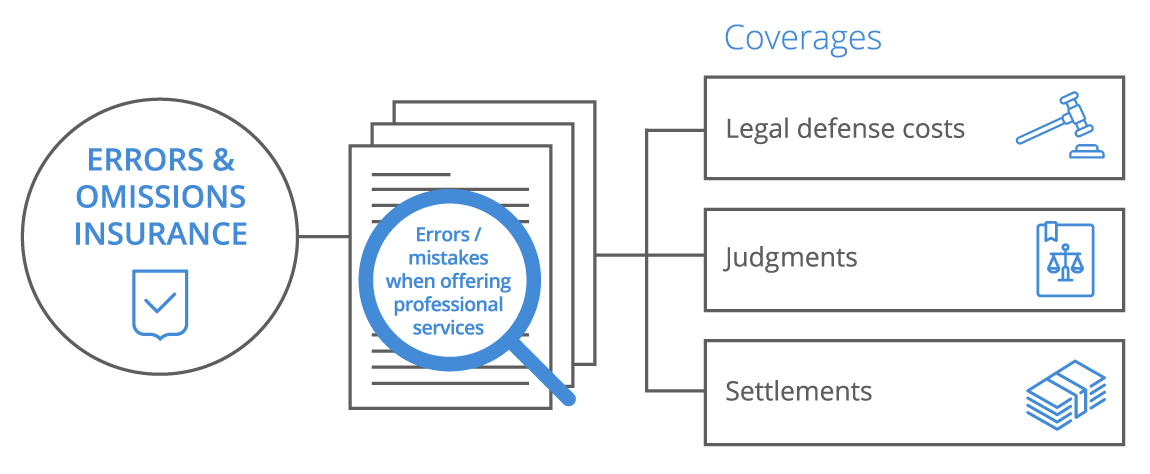
This insurance is like a shield against common business risks. It covers mistakes, oversights, and even claims of negligence. Imagine a consultant forgetting to submit a critical report on time; E&O insurance steps in to cover legal defense and settlements.
Even if the claim is unfounded, legal fees can pile up fast. That’s why having this coverage is crucial.
Real-Life Examples of When E&O Insurance Applies
Let’s paint a picture. You’re a real estate agent who forgot to disclose a termite issue in a property sale. The buyer sues for repair costs. Without E&O insurance, you’re on your own.
Or, consider a marketing guru whose campaign advice leads to a client’s financial loss. Here’s the deal: E&O insurance would cover the claim.
Pro Tip: Always keep documentation of your work to strengthen your defense if a claim arises.
These examples highlight why you shouldn’t overlook E&O insurance. It’s not just a precaution; it’s a necessity in today’s litigious world.
Errors and Omissions Insurance in Washington State
Did you know that many small businesses in Washington State are only one lawsuit away from shutting down? That’s where Errors and Omissions Insurance comes into play.
This type of insurance is crucial for safeguarding professionals against claims of inadequate work or negligent actions. But there are specific regulations and requirements in Washington State that you need to know. Let’s dig in.
Specific Regulations and Requirements
Washington State mandates that businesses carry errors and omissions insurance to protect against potential lawsuits from dissatisfied clients. This insurance is not just a safety net; it’s a requirement if you’re in certain fields. Real estate agents, consultants, and financial advisors are among those who need to have it. The Washington State Office of the Insurance Commissioner oversees these regulations to ensure compliance and fair practice.
Here’s the deal: Unlike other states, Washington requires specific coverage amounts tailored to the industry. For instance, real estate professionals might need higher coverage compared to tech consultants due to the nature of their work.
Pro Tip: Check with a local insurance agent to ensure you’re meeting state-specific requirements.
Comparing Regulations Across States
How does Washington stack up against other states? Well, it’s quite unique. In comparison to neighboring California, where regulations are more relaxed, Washington’s policies are stricter. This means there are fewer loopholes, ensuring stronger protection for both businesses and clients.
| State | Regulation Strictness | Common Coverage Amount |
|---|---|---|
| Washington | High | $500,000+ |
| California | Medium | $250,000+ |
Key Industries Requiring Insurance
In Washington State, several industries stand out as primary users of errors and omissions insurance. The technology sector is booming in areas like Seattle, making it crucial for tech consultants and developers to have this coverage. Additionally, the real estate market is hot, leading to a high demand for insured agents. Let’s not forget the financial sector, which is heavily regulated and requires extensive coverage to protect against potential errors in financial advice.
Examples of State-Specific Claims
Want to know how impactful this insurance can be? Consider the case of a Washington-based financial advisor who overlooked a critical investment risk for a client. The client pursued legal action, claiming significant financial losses. If it weren’t for the advisor’s errors and omissions insurance, they could have faced devastating out-of-pocket expenses.
Another example involves a real estate agent in Tacoma who accidentally listed incorrect property details, leading to a buyer’s lawsuit. Thanks to their insurance coverage, the agent managed to settle the claim quickly and efficiently, highlighting the importance of having state-mandated coverage.
Benefits of Errors and Omissions Insurance

Did you know a single lawsuit can wipe out your savings faster than you can say “business bankruptcy”? That’s why you need to protect yourself with Errors and Omissions Insurance (E&O).
This insurance acts like a safety net for your wallet AND your peace of mind. Let’s dive into why E&O is essential for you.
Financial Protection from Costly Lawsuits
Errors and Omissions Insurance shields you from the financial hurricane that a lawsuit can unleash. Imagine a client claiming that your advice led to their financial ruin. What do you do? With E&O, you’re covered for legal defense costs, settlements, and judgments.
How E&O Insurance Can Save Your Business
This is where E&O shines. If you’re accused of negligence or failing to deliver services, E&O insurance steps in. It covers not just your legal fees but also any compensation you’re ordered to pay.
Scenarios and Benefits of E&O Insurance
Check out the table below to see how E&O insurance operates in different scenarios:
| Scenario | Benefit Provided |
|---|---|
| Client claims advice led to losses | Legal defense and potential settlement |
| Missed deadline causing client losses | Coverage for breach of contract claims |
| Error in service delivery | Protection against allegations of negligence |
| Inaccurate professional advice | Compensation for any ensuing financial damages |
Long-term Advantages of Maintaining E&O Coverage
Let me tell you why keeping E&O is a smart move long-term. Businesses with consistent E&O coverage enjoy greater trust from their clients. Why? Because clients know you’re responsible enough to back your services with insurance.
Plus, having E&O can actually increase your business opportunities. Many contracts now require proof of E&O insurance before signing on the dotted line.
Pro Tip: Renew your E&O insurance annually to ensure continuous protection and avoid any lapses in coverage.
So, are you ready to safeguard your business? Errors and Omissions Insurance isn’t just a shield—it’s a game-changer for your professional life.
Choosing the Right Errors and Omissions Insurance Policy
Did you know that a single oversight could cost your business thousands, maybe even millions? That’s why picking the right Errors and Omissions (E&O) insurance policy isn’t just smart—it’s essential.
But with so many options, how do you choose the right one for your business in Washington State? Here is the deal: you need to focus on several key factors when selecting your insurance provider.
Factors to Consider When Selecting an Insurance Provider
When choosing an E&O insurance provider in Washington State, focus on their reputation and customer service. Do they have a good track record for paying claims? What about their response time? These factors matter because when a claim arises, you want a provider who has your back.
Next, consider the provider’s specialization. Some insurers specialize in specific industries or types of coverage. If they understand your niche, they’ll likely offer better tailored policies. Lastly, don’t overlook price—but don’t let it be the only factor. Cheaper isn’t always better if it means skimping on coverage.
Evaluating Policy Options and Coverage Limits
Different policies offer different coverage limits and deductibles. You need to evaluate these options carefully. A higher premium might provide more extensive coverage, which could save you loads in the long run.
Consider what your business can’t afford to lose. Your coverage should ideally cover at least that amount. Often, the bare minimum isn’t enough, so think critically about what your risks truly are.
Step-by-Step Guide to Assessing Risks and Insurance Needs
Assessing your risks and insurance needs doesn’t have to be complicated. Follow these steps to make sure you’re covered:
- List potential risks specific to your business.
- Evaluate the financial impact of these risks.
- Determine how often these risks may occur.
- Consider any past claims or near misses you’ve had.
- Use this information to decide on coverage limits.
Pro Tip: Always review your policy annually. Business risks change, and your insurance should evolve with them.
Comparing Different Policy Types for Various Professions
Different professions have different needs. Here’s a quick breakdown:
| Profession | Recommended Policy Type | Key Considerations |
|---|---|---|
| Consultants | Flexible Policies | Look for policies that allow project-specific customization. |
| Real Estate Agents | High Coverage Limits | Consider policies that cover legal fees and settlements. |
| IT Professionals | Cyber Liability Add-ons | Important to include protection against data breaches. |
Remember, the right policy could mean the difference between business survival and financial disaster. Choose wisely!
Claims Process for Errors and Omissions Insurance
Ever wondered what happens when you need to file a claim on your Errors and Omissions (E&O) Insurance? It’s not just about filling out a form. It’s about ensuring you’ve dotted every ‘i’ and crossed every ‘t’. And, unfortunately, it’s where many people make costly mistakes.
The claims process for E&O insurance can be a labyrinth. BUT, if you know the steps and have your documentation in order, it becomes a lot less intimidating. Let’s dive into the nuts and bolts of filing a claim.
Step-by-Step Guide to Filing an E&O Claim
Here’s the deal: Filing a claim isn’t as simple as sending an email and getting a check the next day. There’s a process you must follow to ensure your claim is processed quickly and accurately. Below is a table that breaks down each step and the associated requirements.
| Step | Action | Requirements |
|---|---|---|
| Step #1 | Notify Insurer | Contact your insurer immediately after a potential claim arises. Timing is crucial. |
| Step #2 | Gather Documentation | Compile all necessary documents: contracts, communications, and any evidence related to the claim. |
| Step #3 | Complete Claim Form | Fill out the insurer’s claim form with detailed information about the incident. |
| Step #4 | Submit Claim | Send all documents and the completed form to your insurer. Keep copies for your records. |
| Step #5 | Follow-up | Regularly check in with your insurer to monitor the progress of your claim. |
Challenges and Strategies in the Claims Process
Claims don’t always go smoothly. One common issue is missing documentation, which can delay the process significantly. Pro Tip:
Always keep thorough records from the outset of a client relationship. It’ll save you headaches later on.
Another challenge? Miscommunication with insurers. Strategies to overcome this include assigning a point person in your organization to handle communication and follow-ups. This ensures consistency and reduces the chances of errors or omissions in the claim process.
Case Studies and Real-Life Examples

Ever wondered what happens when a business doesn’t have errors and omissions insurance? Let’s dive into some real-life examples from Washington State. These cases will shock you, show you the importance, and maybe save your business.
Understanding real-world scenarios helps us see the true value of insurance. We’ll explore cases where errors and omissions insurance made a critical difference, and where its absence led to costly troubles. These stories are loaded with lessons and insights.
When Claims Go Wrong: A Washington State Financial Advisor’s Tale
One financial advisor in Seattle found himself in hot water when a client accused him of providing misleading investment advice. The client claimed they suffered significant losses because of the advisor’s recommendations. Without E&O insurance, the advisor had to pay $150,000 out of pocket for legal fees and settlements.
Here’s the deal: if he had E&O insurance, he would have been covered for those costs. The insurance could have also provided a legal team to handle the case more efficiently. Instead, he faced severe financial strain.
Key Takeaway: Never underestimate the cost of a lawsuit. Always have a safety net in place.
The Success Story: Real Estate Broker Saves Her Business
Imagine this: a real estate broker in Spokane closed a deal that later went south. The buyers accused her of failing to disclose property defects, demanding compensation. Luckily, she had an E&O policy that covered the $80,000 settlement and legal expenses.
The insurance not only saved her finances but also her reputation. Pro Tip: Choose a policy that aligns with your specific industry risks. Real estate transactions often involve hidden pitfalls, and having the right coverage can be a game-changer.
Best Practice: Ensure your policy covers the unique risks of your field to avoid unexpected costs.
Illustrative Example: The Impact of Not Having Insurance
Consider a small IT firm in Tacoma. They delivered a software solution that was supposed to boost a client’s sales by 25%, but due to a coding error, the client’s entire e-commerce site crashed during the holiday season. Without E&O insurance, the firm faced a lawsuit for lost profits amounting to $200,000.
This could have been avoided. An E&O policy would have provided the necessary financial protection and possibly a faster resolution. BUT, the firm’s lack of coverage nearly led to bankruptcy.
Lesson Learned: E&O insurance is not just a safety measure; it’s a lifeline for your business.
Closure
In conclusion, errors and omissions insurance in Washington State serves as an essential armor for professionals navigating the complexities of their respective fields. By understanding the specific regulations, evaluating the right policies, and mastering the claims process, you can turn potential professional pitfalls into stepping stones for success. Remember, the right E&O insurance isn’t just a purchase; it’s a strategic investment in your peace of mind and professional longevity.
Answers to Common Questions
What is errors and omissions insurance?
Errors and omissions insurance is a policy designed to protect professionals against claims of negligence or inadequate work. It covers legal fees and settlements.
Who needs errors and omissions insurance in Washington State?
Professionals such as real estate agents, consultants, and IT specialists typically require this insurance to protect against claims of errors or omissions in their work.
What does errors and omissions insurance cover?
This insurance covers legal costs and settlements related to claims of mistakes or failures to perform professional duties.
How does E&O insurance differ in Washington State compared to other states?
Washington State may have specific regulatory requirements and coverage limits that differ from other states. It’s important to understand these differences to ensure adequate protection.
How do I file an errors and omissions insurance claim?
To file a claim, you typically need to notify your insurer immediately, provide all necessary documentation, and cooperate with any investigations. The process can vary by insurer.
What are the benefits of having errors and omissions insurance?
Having E&O insurance protects against financial losses from lawsuits, provides peace of mind, and safeguards your professional reputation.

